Naples, Florida enjoys a subtropical climate with over 264 sunny days per year, warm winters averaging 74°F, and hot humid summers peaking near 91°F. The dry season (November–April) is peak real estate season, drawing snowbirds and luxury buyers from the Northeast. Hurricane season runs June 1–November 30, but Naples's strict building codes and storm-resilient construction make it one of the best-prepared coastal markets in the U.S. For luxury buyers, Naples weather is a year-round lifestyle asset.

What Is the Weather Like in Naples, Florida Year-Round?
Naples sits on Florida’s Gulf Coast, bringing warm breezes and a tropical climate year-round. Naples averages 264 sunny days per year, more than Miami and nearly double the national average, making it one of the sunniest cities in the continental United States.
As someone who helps people find homes here, I’ve seen how much the weather shapes your days, whether you’re out on the golf course, walking the beach, or planning your move. Understanding Naples weather helps you plan your visit, choose the best golf days, and know what to expect if you are considering buying a home here.
Winters stay warm and dry, while summers bring afternoon showers that cool the air without lasting long. Living in Naples means enjoying a coastal lifestyle with sunny days, warm Gulf waters, and weather that supports outdoor living all year.
In this article, you will find a clear, practical guide to Naples weather, including:
- Naples Weather by Season
- Wet and Dry Seasons in Naples
- Naples Weather Averages
- Weather Phenomena and Safety Considerations
- Hurricanes and Thunderstorms
- Naples Weather vs. the Rest of Florida and the Southern US
- How Naples Weather Affects Visitors
- Naples Weather and Golfers
- Why Naples Weather Makes it Ideal for Buying a Home
- Resources to Monitor Naples Weather
- Looking Ahead
- Ready to Experience Naples’ Year-Round Sunshine?
- Naples Weather FAQs
What Is Naples Florida Weather Like by Season?
Naples offers warm, sunny days throughout the year, but each season has its own patterns that help you plan your days, golf rounds, and beach outings if you’re visiting or looking to move here.
WINTER (DECEMBER – JANUARY)
Average highs reach 74°F (23°C), with lows around 53°F (12°C). The average temperature in January, the coldest month, is 65 °F. Winter is part of Naples’ dry season, so you can expect low humidity and very little rain. The Gulf of Mexico water temperature sits around 72.5°F (22.5°C), making beach walks and boating comfortable. The UV index remains high, so sun protection is still important, even in cooler months. Compared to North Florida and inland areas of the South, Naples stays warmer and sunnier, offering a pleasant winter escape.
SPRING (FEBRUARY – MAY)
Spring in Naples brings a gradual warm-up, with average highs between 78–86°F (26–30°C) and lows from 56–68°F (13–20°C). The air stays dry, although humidity starts to rise in late May. Gulf water temperatures warm up from 72°F (22°C) to about 82°F (28°C), making it perfect for beach days and boating. This season is excellent for outdoor activities and golf, with mild mornings and warm afternoons.
SUMMER (JUNE – SEPTEMBER)
Summer is Naples’ wet season, bringing warm, humid days and afternoon storms that often clear quickly. Expect average highs of 88–92°F (31–33°C) and lows of 72–77°F (22–25°C). The average temperature in August, the hottest month, is 83 °F. Rain usually falls between 3 PM and 6 PM, and lightning activity peaks during these afternoon storms. The heat index can often exceed 100°F (38°C), and the UV index frequently reaches “Very High,” so early mornings are best for outdoor plans. Gulf water temperatures climb to around 85.7°F (29.8°C), ideal for swimming and water sports. Compared to other Gulf Coast cities, Naples is similar in summer but offers warmer winters than North Florida.
FALL (OCTOBER – NOVEMBER)
Fall brings a gradual return to the dry season, with average temperature highs of 78–86°F (26–30°C) and lows of 60–70°F (16–21°C). Humidity levels drop by November, making it comfortable for outdoor activities. Gulf water temperatures remain warm, ranging from 78–84°F (25–29°C). This season is a pleasant time for golf, beach outings, and enjoying Naples’ outdoor lifestyle without the heavier rains of summer.
When Is the Best Time to Visit Naples, Florida?
Naples has two main seasons that shape daily life here: the dry season and the wet season.
DRY SEASON (NOVEMBER – MAY)
From November through May, Naples brings clear skies and partly cloudy days with low humidity, clear skies, and very little rainfall; with the driest months being February, November, and December, each averaging about 1.4 inches of rain. Naples receives approximately 39–49 inches of rainfall annually, with roughly 70% of that concentrated between June and September, leaving the dry season almost entirely clear. These months bring comfortable mornings and warm afternoons, creating ideal conditions for golf, beach outings, and outdoor dining. The dry season is also when many visitors and seasonal residents come to Naples to enjoy the warm, sunny weather.
Each November, Naples sees an influx of seasonal residents from the Northeast and Midwest, known as snowbirds, who return for the dry season’s mild temperatures, low humidity, and near-daily sunshine. This annual migration drives peak demand in luxury communities like Pelican Bay, Port Royal, and The Moorings, and typically produces a 5–10% price premium on luxury properties relative to summer pricing, per NABOR® 2024 data. For buyers considering a purchase, understanding the snowbird cycle is as important as understanding the weather cycle as the two move together.
WET SEASON (JUNE – OCTOBER)
From June through October, Naples enters the wet season. The month of August typically has the highest rainfall, averaging 8.9 inches. Humidity rises, and daily afternoon storms are common, usually between 3 PM and 6 PM. These storms often pass quickly, leaving the evenings clear. Rainfall peaks during the summer months, but the wet season also brings lush green landscapes, warm Gulf waters, and fewer crowds on the golf courses and beaches.
What Are Naples Florida Temperatures by Month?
NAPLES FLORIDA MONTHLY CLIMATE DATA
If you’re planning a visit or looking to buy a home in Naples, it helps to see clear weather averages for each season. Here’s what you can expect throughout the year:
| Month | High °F | Low °F | Rain (in) | Rainy Days | Sun Hrs/Day | Gulf °F | Season |
|---|---|---|---|---|---|---|---|
| January | 74°F | 53°F | 2.0" | 5 | 7.3 | 72°F | ✅ Peak Season |
| February | 75°F | 55°F | 1.8" | 5 | 8.0 | 72°F | ✅ Peak Season |
| March | 79°F | 58°F | 1.5" | 5 | 9.0 | 74°F | ✅ Peak Season |
| April | 83°F | 62°F | 1.8" | 5 | 9.5 | 77°F | ✅ Peak Season |
| May | 87°F | 67°F | 3.5" | 9 | 10.8 | 80°F | Shoulder Season |
| June | 90°F | 73°F | 8.7" | 16 | 9.1 | 84°F | ⚡ Hurricane Season |
| July | 91°F | 74°F | 8.9" | 17 | 8.8 | 86°F | ⚡ Hurricane Season |
| August | 91°F | 74°F | 8.8" | 17 | 8.6 | 87°F | ⚡ Hurricane Season |
| September | 89°F | 73°F | 7.8" | 15 | 8.3 | 86°F | ⚡ Hurricane Season |
| October | 85°F | 67°F | 2.8" | 8 | 8.8 | 83°F | ⚡ Hurricane Season |
| November | 79°F | 60°F | 1.3" | 4 | 8.5 | 78°F | Snowbird Arrival |
| December | 75°F | 55°F | 1.6" | 5 | 7.7 | 74°F | ✅ Peak Season |
| Source: NOAA Climate Normals 1991–2020 | Climate-Data.org · ✅ = Peak Dry Season · ⚡ = Hurricane Season (June–Nov) | |||||||
- Average Highs:
- Winter (Dec–Jan): 74°F (23°C)
- Spring (Feb–May): 78–86°F (26–30°C)
- Summer (June–Sept): 88–92°F (31–33°C)
- Fall (Oct–Nov): 78–86°F (26–30°C)
- Average Lows:
- Winter: 53°F (12°C)
- Spring: 56–68°F (13–20°C)
- Summer: 72–77°F (22–25°C)
- Fall: 60–70°F (16–21°C)
- Rainfall:
- Wet Season (June–Oct): Frequent afternoon storms, heaviest rainfall in summer.
- Dry Season (Nov–May): Low rainfall, clear skies.
- Humidity:
- High in summer (often 70–80%), lower in winter.
- Dew Point:
- Summer: Often 70–75°F (21–24°C), indicating humid conditions.
- Winter: Lower dew points around 50–60°F (10–16°C), providing comfort.
- UV Index:
- High year-round, “Very High” in summer; sun protection is recommended.
- Heat Index:
- Can exceed 100°F (38°C) in summer with humidity.
- Average Wind Speed:
- Typically 7–10 mph (11–16 km/h) year-round, with breezier days near the Gulf.
- Gulf Water Temperatures:
- January: ~72.5°F (22.5°C)
- August: ~85.7°F (29.8°C)
Naples’ consistent warmth, breezy Gulf conditions, and clear seasonal patterns are key reasons many visitors become residents, enjoying year-round outdoor living.
Are There Weather Hazards in Naples Florida to Know About?
Naples’ weather makes it easy to spend time outdoors, but understanding local conditions helps you stay safe and enjoy your days without surprises.
RIP CURRENTS
Rip currents occur when water moving back out to sea creates a strong, narrow channel that can pull swimmers away from the shore. In Naples, rip currents are more common during the wet season when storms increase wave activity along the Gulf. Always check beach conditions and swim near lifeguards, who post flags to indicate current risks. If caught in a rip current, swim parallel to the shore until you are out of the current, then head back to the beach calmly.
RED TIDE
Red tide refers to harmful algal blooms that can affect water quality and air near the coast, often occurring in late summer and fall in Southwest Florida. During red tide events, water can irritate the skin, and the air may cause coughing or throat irritation, especially for those with respiratory conditions. It is best to check current beach conditions before planning beach activities, especially if you plan to swim, fish, or spend extended time near the water.
SUN PROTECTION
The UV index in Naples remains high throughout the year, often reaching its peak during midday hours and in the summer months. Sunburn can occur quickly, even on cooler or cloudy days. To protect your skin and eyes, use broad-spectrum sunscreen with SPF 30 or higher, wear a hat and UV-protective sunglasses, and consider wearing light, long-sleeve clothing when outdoors. Limiting outdoor activities during peak sun hours can also help reduce exposure.
RAINFALL AND STORMS
During the wet season, afternoon thunderstorms are a regular part of Naples’ weather pattern, typically occurring between 3 PM and 6 PM. These storms often develop quickly, bringing heavy rainfall, strong winds, and lightning. The rain usually passes within an hour, leaving clear skies behind. Lightning activity in Florida is among the highest in the country, and it is safest to head indoors when storms are nearby to avoid risk.
HURRICANE SEASON
Naples is part of Florida’s hurricane zone, with the official hurricane season running from June 1 to November 30. While not every season brings direct impacts, the highest activity historically occurs in August and September. Staying informed through reliable weather updates and having a preparedness plan in place, whether you live here or are visiting during these months, ensures you are ready in case a storm approaches.
HEAT INDEX
Naples’ high humidity during summer can make temperatures feel significantly hotter, with heat index values often rising above 100°F (38°C) on many days. This can increase the risk of heat-related illnesses if you spend extended time outside. It’s important to stay hydrated, wear light clothing, and limit strenuous activities during the hottest parts of the day, particularly in the afternoon.
UV INDEX
The UV index in Naples frequently reaches “Very High” levels during the summer and remains high throughout the year. This means extra care should be taken to protect your skin and eyes whenever you spend time outdoors, especially if you are out on the water, golfing, or at the beach where sunlight reflects off surfaces.
GULF OF MEXICO WATER TEMPERATURES
The Gulf of Mexico stays warm enough for water activities throughout the year in Naples. Water temperatures average around 72.5°F (22.5°C) in January and reach up to 85.7°F (29.8°C) in August. These warm waters support year-round swimming, boating, paddleboarding, and fishing, making the Gulf a constant part of daily life for many residents and visitors.
How Does Hurricane Season Affect Naples Real Estate Buyers?
HURRICANE SEASON REAL ESTATE BUYER GUIDE
Naples homes built after 2002 meet Florida’s strict coastal hurricane codes, including impact-rated windows, roof tie-down systems, and reinforced garage doors, features that materially reduce storm damage risk and can lower windstorm insurance premiums by up to 40%.
| Factor | What to Know | Buyer Action |
|---|---|---|
| Season Dates | June 1 – November 30 (peak risk: mid-August to late October) | Plan closings before June or after November when possible |
| Direct Landfalls (50 yrs) | Only 2: Charley (2004) and Ian (2022) | Risk is real but historically infrequent in Naples proper |
| Building Codes | Homes built post-2002 meet FL's strict coastal codes: impact windows, roof tie-downs, reinforced garage doors | Prioritize post-2002 construction or verified storm upgrades |
| Insurance Costs | FL avg homeowner insurance: ~$10,996/yr (2024). Wind mitigation features can reduce windstorm premiums up to 40%. | Request wind mitigation inspection; factor into purchase budget |
| Flood Zones | FEMA zones AE and VE are common in coastal Naples; flood insurance required by most lenders | Request elevation certificate; verify flood zone at closing |
| Summer Market | 89.1% of Naples homes sold below asking in June 2024 (NABOR®); ~89 days on market | Summer = strategic buying window; increased negotiating leverage |
| Market Recovery | Post-Ian: Naples median prices rose from $544K (Sept 2024) to $825K (Jan 2025) | Long-term Naples values remain strong; storms are short-term disruptions |
| Source: NABOR® 2024 Data | FEMA Flood Map Service Center | Florida CFO Insurance Data | ||
Florida homeowner insurance premiums averaged $10,996 in 2024; buyers evaluating coastal Naples properties should review the full insurance and market picture in the Naples real estate market report.
Hurricanes and thunderstorms are part of life in Southwest Florida, and understanding these patterns helps you plan your days and prepare your home if you decide to live here.
Hurricane season in Naples runs from June 1 to November 30, with peak activity in August and September. While direct hurricane impacts are less common in Naples than in some parts of Florida, it is important to follow forecasts and have a basic preparedness plan, such as securing outdoor items, checking shutters, and knowing evacuation routes if needed.
Afternoon thunderstorms are a normal part of Naples’ summer weather, usually forming between 3 PM and 6 PM. These storms bring heavy rain, thunder, and lightning but often pass within an hour, allowing outdoor plans to resume once they clear.
Local news, NOAA updates, and Collier County emergency resources provide accurate, up-to-date information so you can track storms and prepare if necessary. Naples follows strong building codes to protect homes from high winds and heavy rain, which helps reduce property damage when storms occur. Community resources, including local emergency management offices and neighborhood associations, offer guidance and support to keep residents and visitors informed and prepared during storm season while continuing to enjoy the Naples lifestyle.
How Does Naples Florida Weather Compare to the Rest of Florida?
If you are considering a visit or a move, it helps to see how Naples weather compares to the rest of Florida and other southern states. Naples’ Gulf Coast location offers warm temperatures, sunshine, and a coastal breeze that shape daily life here.
REST OF FLORIDA
Naples shares similar seasonal patterns with other Gulf Coast cities, with warm, humid summers and mild, dry winters. Naples often has warmer winter temperatures than northern Florida cities like Jacksonville or Tallahassee, allowing consistent outdoor activities throughout the year. In summer, Naples experiences higher humidity due to its coastal location.
SOUTHERN UNITED STATES
Compared to inland areas in the Southern US, Naples has milder winters without frost or snow, supporting year-round outdoor living. Naples also has more distinct wet and dry seasons, while many inland southern regions have rainfall spread more evenly across the year. The coastal location brings higher humidity levels, especially in summer, but Gulf breezes help keep warm days manageable.
When Is the Best Time to Visit Naples, Florida for Tourists?
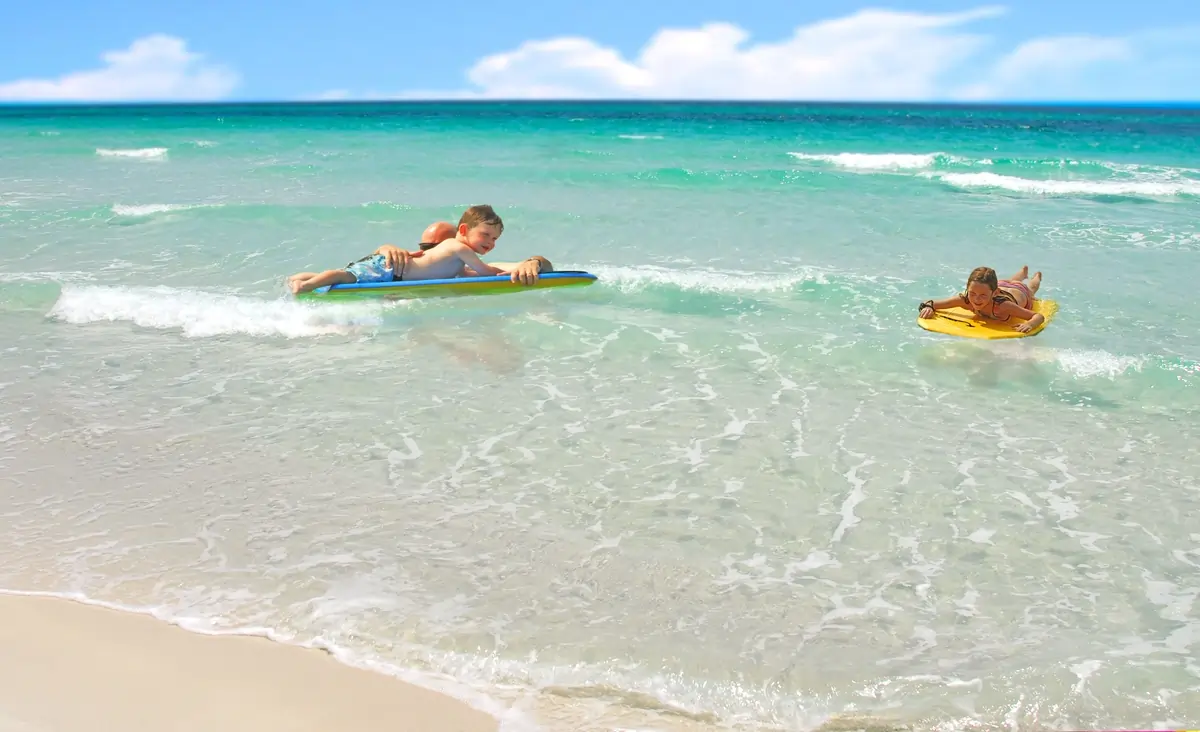 If you’re planning a trip to Naples, the weather will shape your days in the best ways. As someone who helps people find homes here, I see visitors fall in love with Naples because they get to enjoy warm sunshine, Gulf breezes, and outdoor activities including family activities almost every day of the year. The best times to visit Naples for warm-weather activities are from late January to early May and late October to late December.
During the dry season from November to May, clear skies, low humidity, and warm temperatures make it easy to spend your days on the beach, on the golf course, or exploring Naples’ outdoor dining and nature preserves. This is the most popular time for visitors, and for good reason, it’s comfortable, sunny, and ideal for getting to know the area if you’re considering a longer stay.
In the summer months, mornings are warm and perfect for beach walks, boating, or golf before afternoon storms roll in. These short storms cool the air and often clear out quickly, leaving beautiful sunsets and warm evenings for dinner outdoors. Gulf of Mexico water temperatures average 77°F year-round, reaching 87°F in August, warm enough for comfortable swimming from April through December.
Naples’ weather is one of the reasons many visitors start planning for a second home or full-time move here. If you’re visiting Naples, take the time to experience how the weather supports an active, outdoor lifestyle and see why so many people choose to make Naples a part of their life.
Why Do Golfers Love Naples Florida Weather? A Season-by-Season Guide
As someone who loves getting out on the course myself, I can say Naples weather is one of the best parts of golfing here. The dry season from November to May is ideal, with mild temperatures, clear skies, and low humidity making it easy to enjoy full rounds without worrying about heat or rain delays. The mornings are crisp, the afternoons are warm but comfortable, and you can play as often as you like.
In the summer, early tee times are the way to go. Morning rounds let you enjoy the warm Gulf breezes before the midday heat sets in, and most days you can finish before the afternoon storms arrive. These storms can pause play, but they often pass quickly, letting you get back out to finish your round.
One of the biggest advantages of living or spending time in Naples is that you can play golf year-round. Whether you’re here seasonally or looking to move full-time, the weather supports an active golf lifestyle, with hundreds of courses to choose from across the area. It’s a major reason so many golfers find themselves calling Naples home. Check out Naples best public golf courses and private golf courses.
How Does Naples Weather Affect the Real Estate Market?
NAPLES WEATHER SEASONS & REAL ESTATE ACTIVITY
| Season | Months | Typical Weather | Real Estate Market | Best For |
|---|---|---|---|---|
| ✅ Dry / Peak Season | November – April | 72–83°F highs, low humidity, 7–9.5 hrs sun/day, minimal rain | Highest activity; 5–10% price premium vs summer; bidding competition in Pelican Bay, Port Royal, The Moorings | Sellers; snowbirds; luxury launches |
| 🌤 Shoulder Season | May, October | 83–87°F, moderate humidity, occasional afternoon storms | Transitional; good inventory before summer slowdown or peak season surge | Strategic buyers; relocation flexibility |
| ⚡ Wet / Hurricane Season | June – September | 89–91°F, high humidity, daily afternoon thunderstorms, 8–9" rain/month | Slower market; 89.1% sold below asking (NABOR® June 2024); ~89 days on market; highest buyer leverage | Buyers seeking negotiating power; off-market deals |
| Source: NABOR® 2024 Market Data | NOAA Climate Normals 1991–2020 | ||||
One of the top reasons people choose to buy a home in Naples is the weather. Warm winters, Gulf breezes, and sunny days allow you to stay active year-round, whether you’re walking the beach, playing golf, or enjoying outdoor dining. You don’t have to worry about snow or ice, and you can plan your days around clear seasonal patterns, with a dry season that brings low humidity and a wet season where rain typically falls in the afternoons.
Naples’ climate is ideal if you’re looking for a second home to escape colder months elsewhere, or if you’re ready to relocate for year-round warmth and a lifestyle that supports outdoor living every day. The reliable weather makes it easy to settle into your routines, knowing you can enjoy the Gulf, the golf courses, and everything else Naples offers without seasonal disruptions.
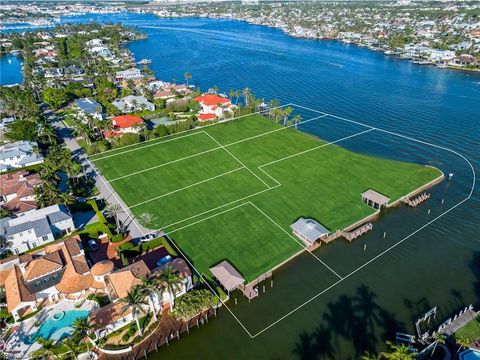
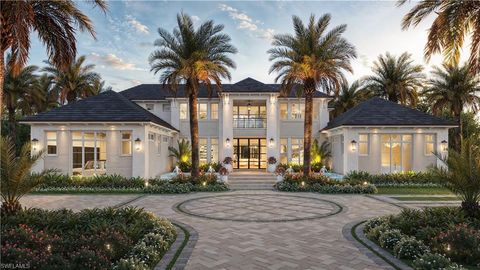
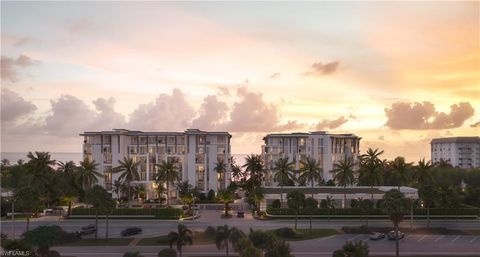
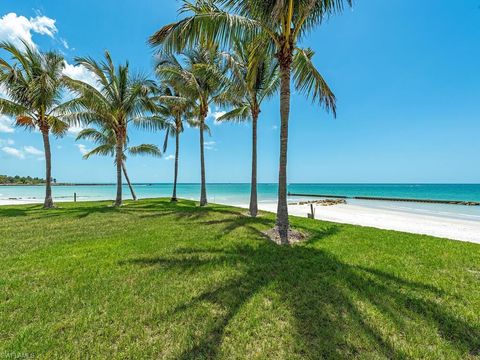
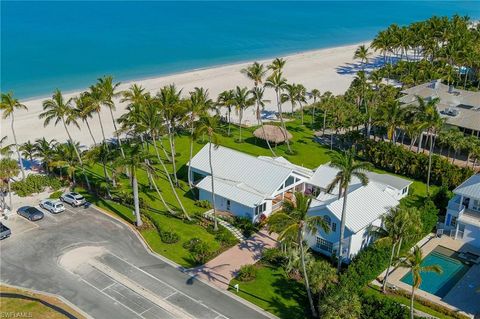
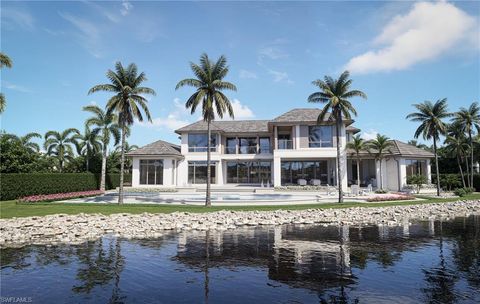
If you’re considering making Naples your home, here are some properties currently available:
EXPLORE HOMES IN NAPLES FL


Where Can I Find Reliable Naples Florida Weather Resources?
To enjoy everything Naples offers, from golf to beach days to real estate planning, you’ll want reliable, up-to-date weather information. Here are the top resources I use and recommend:
- NOAA National Weather Service – Naples Area Forecast
Provides daily forecasts, radar, heat and thunderstorm alerts, and Gulf marine conditions specifically for Naples. - National Hurricane Center
The official source for real-time hurricane tracking, storm watches, and emergency preparedness guidance. - Collier County Red Tide Status
Offers current red tide conditions, sampling maps, health risk info, and beach impact data for our area. - Naples Government Beach Water Quality & Red Tide
Provides beach water quality reports, red tide updates, and hotline contacts for respiratory concerns. - Florida Fish & Wildlife Conservation Commission – Red Tide Statewide Status
A statewide red tide map and weekly status report with phone update option at 866‑300‑9399. - NOAA Buoy 42097 – Gulf Water Temperatures Near Naples
Live, hourly sea temperatures and marine conditions for planning beach, boating, or fishing trips.
These trusted sources will keep you informed so you can confidently enjoy Naples, sun, surf, storms, or calm, even as you explore properties or play a round of golf.
Naples Weather and Luxury Lifestyle: What Buyers Should Know
Naples’ weather is one of the biggest reasons people love living and spending time here. Warm winters, sunny days, and Gulf breezes make it easy to enjoy an active, outdoor lifestyle year-round. Whether you’re visiting to explore the Naples beaches, hitting the golf course, or looking for a place to call home in Florida, the reliable weather helps you make the most of every day.
If you’re considering Naples for a second home or a full-time move, the climate is a key reason so many people choose to live here, and why they stay. Buyers working with a CLHMS-certified advisor understand that timing a purchase around the dry season, or deliberately targeting the summer window, which requires reading both the weather cycle and the market cycle simultaneously.
Ready to Experience Naples’ Year-Round Sunshine?
 Dreaming of a lifestyle where you can golf in January, walk the beach at sunset, and enjoy warm Gulf breezes all year? Naples’ weather makes it possible, and finding the right home here can help you make the most of it. Whether you’re looking for a seasonal escape from colder climates or planning a full-time move to Florida, Matt Brown Real Estate will help you find a property that aligns with your lifestyle and investment goals.
As a CLHMS-certified advisor and RealTrends Verified agent ranked #922 nationally and #13 in Naples, Matt Brown guides luxury buyers through every season of the Naples real estate market. Matt will guide you through the Naples market with confidence, whether you’re searching for a golf community, a beachfront condo, or a family-friendly neighborhood that lets you enjoy Florida’s warm, sunny days.
Contact Matt Brown today at (239) 580-8864 or fill out the Let’s Connect form.
Ready to start your search for a home in Naples? View Available Homes.
Want to see how Matt’s clients feel about working with him? Read Matt’s Testimonials.
Frequently Asked Questions About Naples Florida Weather
- What is the best month to visit Naples, Florida for weather?
The best months are March through May – warm mid-70s to low 80s°F, low humidity, and minimal rain. October and November are also excellent, with cooler evenings and fewer crowds before snowbird season peaks. These months offer ideal conditions for golf, beaches, and outdoor dining in Naples. - Does Naples Florida get hurricanes?
Naples is within the Atlantic hurricane belt; season runs June 1-November 30 with peak risk from mid-August through late October. However, Naples has seen only two direct landfalls in 50 years: Charley (2004) and Ian (2022). Florida’s strict post-2002 coastal building codes provide significant protection, including impact-rated windows and roof tie-down systems. - What is winter weather like in Naples, Florida?
Naples winters are mild and dry, with average highs of 74-79°F and lows rarely dropping below the mid-50s°F. December through February brings abundant sunshine and very little rain, the primary reason luxury buyers and snowbirds from the Northeast relocate to Naples each season. - How hot does Naples Florida get in summer?
Naples summers run June through September with average highs of 89–91°F. High humidity can push the heat index close to 100°F on peak days. Afternoon thunderstorms are common between 2–5 PM but typically clear quickly. Gulf breezes provide natural relief along waterfront and beachfront properties. - Can you swim in Naples year-round?
Yes. Gulf water temperatures range from about 72.5°F (22.5°C) in January to 85.7°F (29.8°C) in August, allowing for swimming, boating, and beach activities all year. - Is Naples humid?
Naples has high humidity during the summer wet season, while the dry season (November–May) brings lower humidity and more comfortable outdoor conditions. - Does it rain a lot in Naples?
Most rainfall occurs during the wet season (June–October), with afternoon thunderstorms common between 3 PM and 6 PM. The dry season sees minimal rain and clear skies. - What is the UV index like in Naples?
The UV index is high year-round, reaching “Very High” levels in summer. Sun protection is recommended during outdoor activities. - Are there red tide issues in Naples?
Red tide can occur in late summer and fall. It’s best to check local beach and red tide reports before planning water activities during these periods. - Does it snow in Naples, Florida?
Snow is essentially nonexistent in Naples. Temperatures drop below freezing only about once every decade, and January nights rarely fall below the mid-50s°F. This near-complete absence of cold is one of the defining lifestyle draws for buyers and retirees relocating from Northern states. - How does Naples weather affect the real estate market?
Naples’s dry season (November–April) is peak buying season, with luxury properties in communities like Pelican Bay, Port Royal, and The Moorings historically selling 5–10% higher than summer prices per NABOR® 2024 data. Summer creates a buyer’s market with greater negotiating leverage and longer days on market. Understanding this seasonal rhythm is foundational to any Naples luxury real estate strategy.