Naples has more than 25 private and bundled golf communities, with homes ranging from $600K condominiums to $20M+ estates. Living in a golf community means shared amenities, managed maintenance, and a structured social environment — all within gated, secure neighborhoods. Buyers choose between bundled golf (membership included), non-bundled private clubs, and semi-private access. Matt Brown, ranked #922 nationally and #13 in Naples (2024) by RealTrends Verified and in the top 1.5% of agents nationwide (2025), with $700M+ in career sales, has represented buyers across every major Naples golf community.

What Does Living in a Naples Golf Community Actually Look Like?
Living in a golf community is a lifestyle and real estate decision that shapes daily routine, housing costs, and long-term planning. In Naples, Florida, golf communities are a core part of the residential market and attract buyers from across the U.S.
This article explains what living in a golf community means in Naples, why the area supports this lifestyle, and how buyers should evaluate golf course communities before purchasing. The focus is on practical details, real examples, and clear expectations.
For buyers ready to search available homes, explore the full guide to Naples golf communities.
What Are the Key Things to Know Before Buying in a Naples Golf Community?
- Living in a golf community centers daily life around shared amenities, open space, and organized activities.
- Golf course homes in Naples often price higher than comparable non-golf homes, though value depends on location, club health, and market conditions.
- Ownership costs extend beyond purchase price and may include HOA fees, club dues, initiation fees, and assessments.
- One of the main benefits of living in a golf course community is access to amenities such as fitness centers, pools, tennis courts, and clubhouses.
- Potential tradeoffs include HOA rules, early morning maintenance noise, and reduced privacy for homes on fairways.
What Defines Living in a Golf Community in Naples
Living in a golf community in Naples means owning a home within a master-planned neighborhood designed around a private or semi-private golf course. These communities typically feature gated entry, private internal roads, and a homeowners association that oversees maintenance, amenities, and architectural standards. The goal is consistency, security, and shared access to recreational facilities.
Naples golf communities generally fall into two categories. Bundled golf communities include golf privileges with home ownership, which appeals to buyers who want predictable costs and frequent play. Non-bundled or private club communities require a separate golf membership, often with an initiation fee and annual dues, but offer more flexibility for owners who may not play often. This distinction has a direct impact on pricing, resale demand, and monthly carrying costs.
Housing options vary by community and location. Condominiums and coach homes are common in bundled golf neighborhoods, while private club communities often emphasize single-family homes and custom estates. For example, Pelican Marsh offers a mix of condos and single-family homes with optional golf, Fiddler’s Creek blends golf with extensive lifestyle amenities, and Grey Oaks focuses on private club living with a higher concentration of estate properties.
From a local perspective, buyers should view golf communities as lifestyle systems rather than just neighborhoods with courses. Membership structure, housing mix, and community layout all influence daily living, long-term costs, and resale potential in the Naples market.
Benefits of Living in a Golf Course Community
Living in a golf course community offers more than access to a course. In Naples, these communities function as complete residential environments where amenities, maintenance, and social structure support day-to-day living. The benefits tend to show up in how residents use their time, how communities are maintained, and how homes perform over the long term.


CENTRALIZED AMENITIES AND FACILITIES
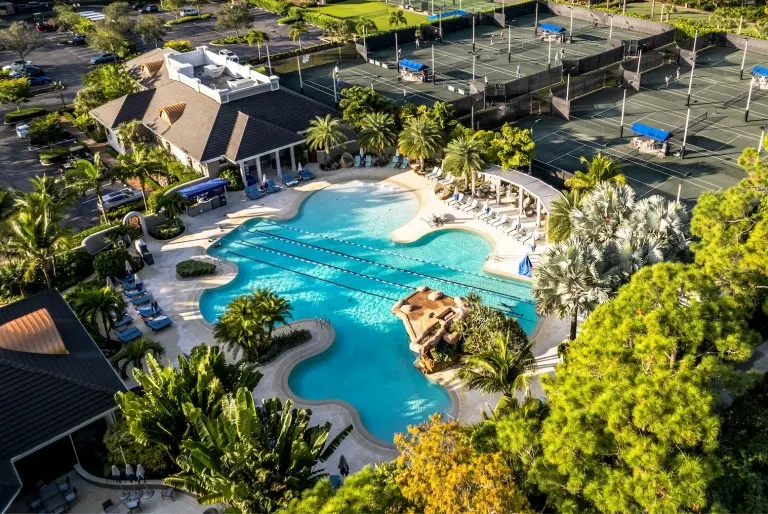
Many Naples golf communities provide clubhouses, pools, fitness centers, dining venues, and racquet sports within the neighborhood. Residents can use these amenities without leaving the community, which simplifies daily routines and reduces the need for outside memberships.
Communities such as Talis Park and Mediterra are strong examples, with centrally located clubhouses that serve as hubs for dining, wellness, and social activity.
MAINTAINED LANDSCAPES AND OPEN SPACE
Golf courses establish permanent open space and limit overdevelopment. Homeowners associations maintain landscaping, roadways, and common areas to consistent standards.
In communities like Quail West, this translates into wider lot spacing, preserved sightlines, and exterior guidelines that protect the overall look and long-term appeal of the neighborhood.
ORGANIZED SOCIAL STRUCTURE
Golf communities often operate with an active calendar that includes leagues, tournaments, dining events, and interest-based clubs. This structure makes it easier for residents to connect, especially those relocating to Naples or living here seasonally.
Windstar on Naples Bay is a clear example, where golf, marina access, and club-hosted events combine to support regular interaction among residents.
CONSISTENT BUYER DEMANDS IN NAPLES
Golf course homes in Naples continue to attract retirees, second-home buyers, and full-time residents. Demand varies by course reputation, membership structure, and location, but established communities tend to see repeat interest.
Neighborhoods such as The Club at Olde Cypress often benefit from limited inventory and stable club operations, which supports ongoing buyer interest over time.
Golf Community Membership Tiers Explained
Membership structure affects both access and cost. Buyers should confirm current terms directly with each community.
COMPARING GOLF COMMUNITY MEMBERSHIP TIERS
| Membership Tier | Typical Annual Cost | Primary Acces | Key Benefit |
|---|---|---|---|
| Full Golf Equity | $10,000 – $100,000+ | Unlimited golf, all amenities | Ownership stake, priority access |
| Non-Equity Golf | $5,000 – $25,000 | Unlimited golf, some amenities | Lower initial cost, full golf |
| Sports / Wellness | $3,000 – $10,000 | Fitness, pool, tennis, limited golf | Focus on non-golf activities |
| Social | $1,500 – $5,000 | Dining and social events | Community access at lower cost |
Costs vary by club and may change over time. Buyers considering private club access may also want to review how individual courses compare across Naples. This overview of the 15 best private golf courses in Naples breaks down course quality, access, and reputation across the market.
Lifestyle Comparison: Golf Community vs. Traditional Neighborhood
| Feature | Golf Community | Traditional Neighborhood | Primary Consideration |
|---|---|---|---|
| Amenities | Centralized and shared | Public or dispersed | Convenience vs. choice |
| Property Upkeep | HOA-managed standards | Owner-managed | Consistency vs. flexibility |
| Social Life | Organized and club-based | Informal and self-directed | Structured vs. organic |
| Associated Costs | HOA and club dues | Taxes and public services | Bundled vs. separate costs |
Why Naples Supports Golf Community Living
Naples offers conditions that consistently support golf community living over the long term. Climate, planning, and infrastructure all play a role in why these neighborhoods continue to function well for both full-time and seasonal residents.
CLIMATE THAT SUPPORTS REGULAR PLAY
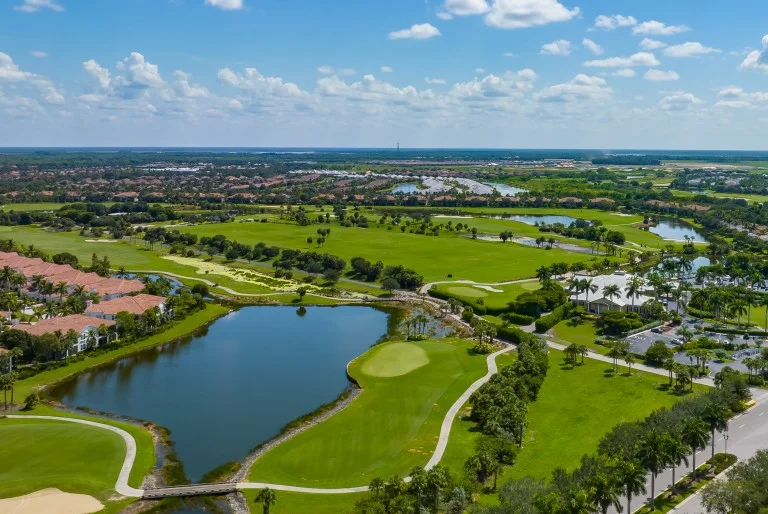
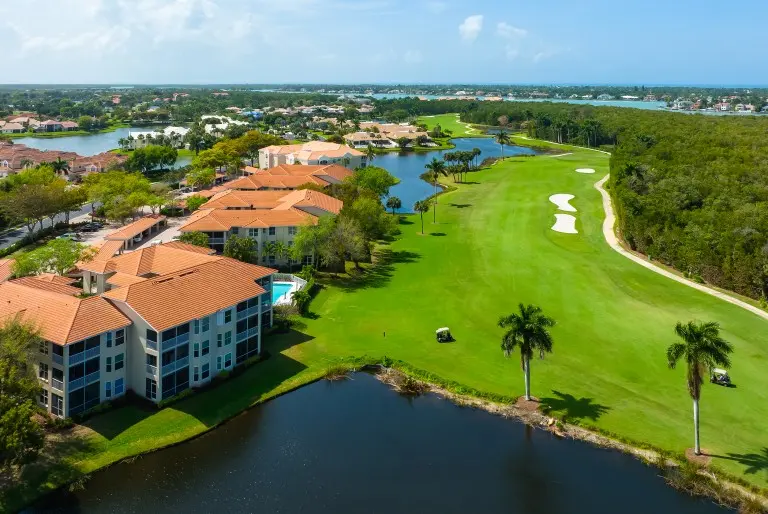
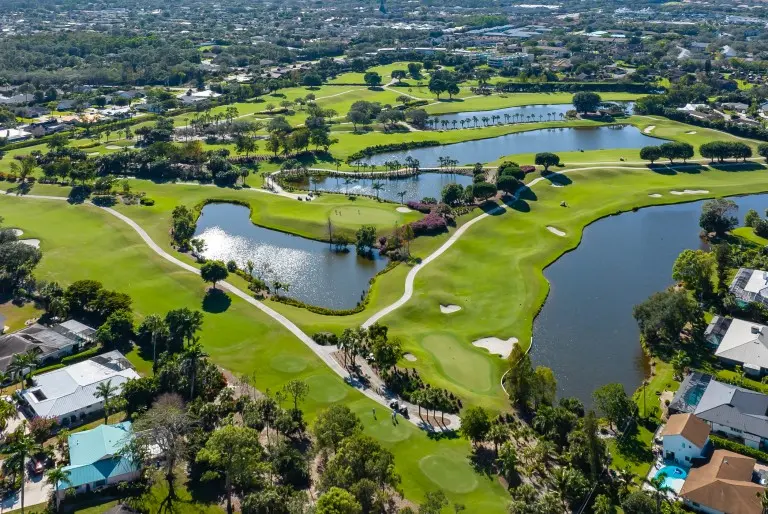
Naples provides weather that allows golf for most of the year, with peak season running from fall through spring. Even during summer months, residents continue to play, especially in communities with early tee times and strong course maintenance.
For buyers who want regular access rather than occasional use, this climate supports consistent value from both the home and the club membership in Naples.
LARGE INVENTORY OF GOLF COMMUNITIES
Naples has one of the largest concentrations of golf communities in Southwest Florida. Buyers can choose between bundled and non-bundled clubs, equity and non-equity memberships, and a wide range of home styles.
This depth allows buyers to compare communities such as Grey Oaks, Quail West, Mediterra, and Fiddler's Creek without changing markets, which leads to better-informed decisions.
ACCESS TO SERVICES AND INFRASTRUCTURE
Golf communities in Naples are positioned near healthcare, dining, and retail corridors. Many are within short driving distance of major medical facilities, grocery centers, shopping, and downtown areas.
This balance allows residents to enjoy controlled access and privacy while staying connected to daily services, which is especially important for full-time residents and relocating buyers.
Buyers who want current data on pricing, inventory, and market trends can follow Matt Brown's Naples luxury market intelligence reports, published monthly since 2021 and sourced from NABOR.
Real Estate Considerations for Buyers
Buying in a golf community requires looking beyond the home itself. Ongoing costs and property placement have a direct impact on daily living and long-term ownership.
HOA FEES AND COVERAGE
HOA fees typically cover landscaping, common area maintenance, security, and shared amenities. Costs vary by community and by home type, with condos and villas often including more exterior maintenance than single-family homes.
Understanding what fees cover is as important as evaluating the purchase price.
HOME LOCATION WITHIN THE COMMUNITY
Homes may face fairways, water features, preserve areas, or interior streets. Fairway homes often command higher prices due to views, while interior lots may offer more privacy and less activity.
Lot position should align with how the home will be used, as well as future resale expectations within the Naples market.
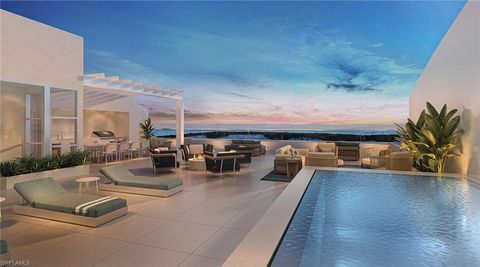
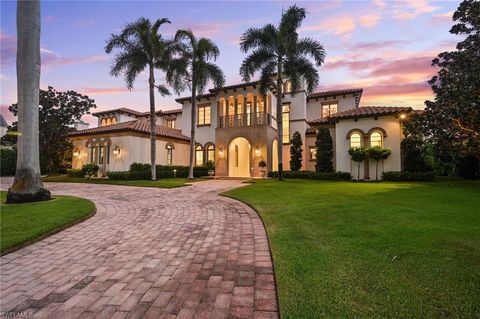
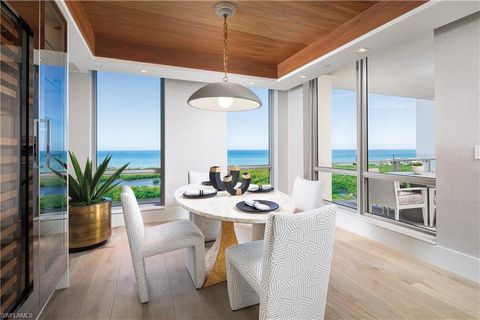
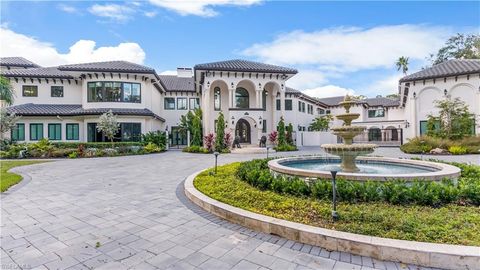
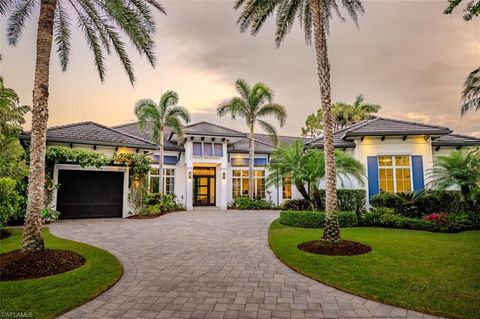
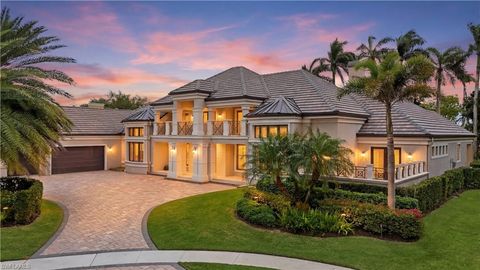
Where Can I Find Golf Community Homes for Sale in Naples, FL?







How Do Naples Golf Communities Differ by Location and Price Range?
Naples golf communities are spread across North Naples, Central Naples, and East Naples, and each area functions differently from a lifestyle and ownership standpoint. North Naples tends to offer newer communities with larger club campuses and a higher concentration of bundled and private golf options. Central Naples features established neighborhoods closer to beaches, dining, and medical facilities. East Naples often provides lower-density layouts and more flexibility on pricing and home styles.
These geographic differences affect commute times, club culture, housing mix, and long-term costs. Buyers comparing communities benefit from understanding how location influences both daily living and resale demand within Naples.
| Community | Price Range | Golf Type | Courses | Membership Structure |
|---|---|---|---|---|
| Grey Oaks | $2M – $10M+ | Private | 54 holes | Non-bundled — separate club membership |
| Mediterra | $1.5M – $8M | Private | 36 holes — Tom Fazio design | Non-bundled — separate club membership |
| Quail West | $1.5M – $9M+ | Private | 36 holes | Non-bundled — separate club membership |
| Fiddler’s Creek | $500K – $5M | Semi-private | 18 holes | Bundled — included with ownership |
| Talis Park | $900K – $5M+ | Private | 18 holes — Nicklaus Design | Non-bundled — separate club membership |
| Pelican Marsh | $500K – $4M+ | Semi-private | 27 holes | Optional — not required |
For a detailed look at how specific courses operate within residential communities, including design style and access structure, check out our dedicated blog post ‘Top Naples Florida Golf Courses in Golf Communities‘. Buyers who want a more focused starting point may find it helpful to review a side-by-side comparison of standout options. This breakdown of the top Naples golf communities highlights how leading neighborhoods differ in club structure, housing, and lifestyle.
Buyers comparing Grey Oaks and Mediterra specifically can find a data-driven breakdown in this side-by-side Grey Oaks vs Mediterra comparison, including price ranges, course access, HOA costs, and buyer fit.
What Are The Frequently Asked Questions on Golf Community Living?
SECTION 1: LIFESTYLE AND COMMUNITY BENEFITS
FAQ 1: What are the primary benefits of living in a golf community?
Living in a golf community combines recreational access, maintained grounds, and an organized social calendar in one residential setting. In Naples, these communities typically include a private or bundled golf course, a centrally located clubhouse with dining, fitness facilities, pools, and racquet sports. Security, gated entry, and HOA-managed landscaping ensure consistent upkeep throughout the neighborhood. For many buyers, the combination of amenities and ready-built social structure is the primary draw, independent of whether they play golf regularly.
FAQ 2: What is the social life like in a typical golf course community?
The social life in a typical golf course community is active and structured around the central hub of the country club. Communities organize a wide range of events, including themed dinners, holiday parties, golf tournaments, and interest-based clubs for activities like cards, books, or fitness. This environment makes it easy for new residents to integrate and build relationships with neighbors who share similar interests. While golf is a major component, the social calendar is usually diverse, catering to a variety of preferences to foster a vibrant and engaged community.
FAQ 3: Are golf communities a good choice for non-golfers?
Yes, golf communities can be an excellent choice for non-golfers who value a secure, well-maintained environment with resort-style amenities. Many modern communities are designed as lifestyle destinations, offering extensive facilities such as tennis and pickleball courts, state-of-the-art fitness centers, spas, pools, and walking trails. The social life, centered around the clubhouse and organized events, is also a major draw. For non-golfers, the appeal lies in the luxury, tranquility, and active lifestyle that these communities promote, independent of the golf course itself. For buyers who enjoy golf but do not need private club access, Naples also offers strong public options. This guide to the top public golf courses in Naples, FL outlines courses that residents often use alongside or instead of private memberships.
FAQ 4: What types of amenities are common in golf communities besides the course?
Beyond the golf course, these communities typically offer a suite of luxury, resort-style amenities designed to promote an active and social lifestyle. Common facilities include a central clubhouse with dining options, a fitness center with classes, swimming pools, and racquet sports like tennis and pickleball. Many also feature spas, walking and biking trails, and dedicated social spaces for clubs and events. The goal is to create a self-contained environment where residents have convenient access to a wide range of recreational and wellness activities.
FAQ 5: How do golf communities ensure resident safety and security?
Golf communities prioritize safety and security, which is a significant part of their appeal, and many are gated with controlled access points and 24/7 security personnel. This controlled environment contributes to very low crime rates compared to national averages. In addition to physical security measures, the close-knit nature of the community and active homeowners’ associations often foster a neighborhood watch-like atmosphere. Residents tend to be vigilant and look out for one another, adding an extra layer of security and peace of mind.
SECTION 2: FINANCIAL AND INVESTMENT CONSIDERATIONS
FAQ 6: How do property values in golf communities compare to other neighborhoods?
Golf community homes in Naples generally price higher than comparable non-golf properties, driven by amenity access, maintained grounds, and consistent demand from second-home buyers and retirees. Homes with direct fairway frontage typically command the strongest premiums. Price stability depends on club health and membership structure. Communities with financially sound clubs and active rosters have historically held value better than those with aging infrastructure or membership shortfalls.
FAQ 7: What are HOA fees in a golf community and what do they cover?
HOA fees in Naples golf communities cover maintenance of common areas, landscaping, roadways, security gates, and shared amenities such as pools and fitness centers. Golf course operations are funded separately through club membership dues and fees. Monthly HOA costs range from under $500 in bundled communities to $1,500 or more in private club neighborhoods with extensive facilities. Reviewing the HOA reserve study and annual budget before making an offer provides the clearest picture of total costs.
FAQ 8: What types of club memberships are available in golf communities?
Golf communities offer a tiered system of club memberships to cater to different lifestyles and budgets. The top tier is typically a ‘Full Golf Membership,’ which provides unrestricted access to the course and all other club amenities. Other common options include ‘Social Memberships’ for access to dining and events, and ‘Sports’ or ‘Wellness’ memberships that include fitness, pool, and tennis but have limited or no golf access. Some clubs also distinguish between ‘Equity’ memberships, where you own a share of the club, and ‘Non-Equity’ memberships, where you do not. The specific structure varies, so it’s critical to understand the options and obligations at each community.
FAQ 9: Are there hidden costs associated with living in a golf community?
Beyond the purchase price and HOA fees, buyers should budget for club initiation fees, which range from a few thousand dollars to six figures at top Naples private clubs. Annual dues, food and beverage minimums at the clubhouse, and special assessments for capital improvements add to ongoing expenses. Reviewing both the HOA financials and the club’s full fee schedule before making an offer is the most reliable way to understand total carrying costs.
FAQ 10: What happens to property values if the golf course closes?
A golf course closure typically reduces nearby home values, with the impact varying by how central the course is to the community’s identity. Properties marketed for fairway views or course access suffer the most. Future use of the land creates additional uncertainty. Redevelopment into denser housing can further suppress buyer demand. Reviewing a club’s financial structure, current membership count, and capital reserves before purchase offers the clearest indicator of long-term viability.
SECTION 3: RULES, REGULATIONS, AND PRACTICALITIES
FAQ 11: What are CC&Rs and how do they impact homeowners?
CC&Rs, or Covenants, Conditions, and Restrictions, are legally binding rules that govern what homeowners can and cannot do with their property. In a golf community, these rules are typically very strict to maintain aesthetic uniformity and protect property values. CC&Rs can dictate exterior paint colors, landscaping choices, fence types, and even where you can park vehicles or place playsets. While some may find them restrictive, they ensure the community remains pristine and cohesive, which is a key part of the lifestyle and investment appeal.
FAQ 12: What are the common downsides of living on a golf course?
The most practical downsides are reduced backyard privacy, noise from early maintenance equipment, and the risk of errant golf balls reaching the property. Homes positioned near tee boxes or sharp fairway turns face the most activity. Buyers who value seclusion should focus on lots set back from the course or facing preserve areas rather than active fairways. Visiting a property during a busy weekend afternoon gives the most accurate read on actual traffic and proximity.
FAQ 13: Who is responsible for damage from errant golf balls?
In almost all cases, the homeowner is responsible for any damage caused by errant golf balls. When purchasing a property in a golf community, homeowners typically acknowledge and accept the risks associated with living on a course, often as part of the CC&Rs or purchase agreement. Neither the golfer who hit the ball nor the golf club is legally obligated to pay for repairs, such as a broken window. It is a known risk of the lifestyle, and homeowners should ensure their property insurance provides adequate coverage for such incidents.
FAQ 14: What should I know about privacy when living on a golf course?
Privacy can be a significant concern, as your backyard may be in full view of golfers playing through from early morning until evening. The level of privacy depends heavily on the home’s specific location; properties set back from the fairway, elevated, or with mature landscaping will offer more seclusion than those directly on a tee box or green. While you gain open space and no rear neighbors, you trade traditional backyard privacy for a more public-facing setting. Potential buyers should visit a property at peak playing times to accurately gauge the level of activity and their comfort with it.
FAQ 15: How is the demographic profile of golf communities changing?
The demographic profile of golf communities is becoming younger and more diverse, reflecting broader trends in the sport. While still very popular with retirees, communities are increasingly attracting young professionals and families who are drawn to the lifestyle amenities and secure environment. The share of female golfers and golfers of color has reached record levels, and this shift is beginning to show in who is buying within golf communities. This shift is encouraging developers to build communities with a wider range of amenities beyond golf to cater to a broader, more family-oriented market.
Why Explore Naples Golf Communities with Matt Brown?
 Naples golf communities continue to attract buyers because they combine strong golf access, well-managed amenities, and real estate that supports long-term ownership goals. Communities such as Grey Oaks, Quail West, Mediterra, Talis Park, and Pelican Marsh each offer a different mix of club structure, housing options, and lifestyle priorities. These differences give buyers clear choices based on how they plan to live and use the community.
Naples remains one of Florida’s leading destinations for golf community living. Buyer demand stays consistent due to year-round golf, established clubs, and neighborhoods built around maintained open space and shared amenities. For many buyers, this combination supports both daily use and long-term property performance.
If you are evaluating golf communities in Naples, Matt Brown Real Estate can help you identify the right fit. Matt Brown is a real estate advisor with William Raveis Real Estate, the No. 1 independent family-owned brokerage in the Northeast and Florida, recognized for global reach and award-winning service. He is ranked #922 nationally and #13 in Naples (2024) by RealTrends Verified and in the top 1.5% of agents nationwide (2025), with $700M+ in career sales, and provides clear guidance across Naples’ golf communities and residential markets.
Contact Matt Brown at 239-580-8864
Or complete the Let’s Connect form
Ready to start your search? View Naples Golf Community Homes for Sale
Want to see client feedback? Read Matt Brown’s Testimonials